


1. The Challenge of Wired Connections
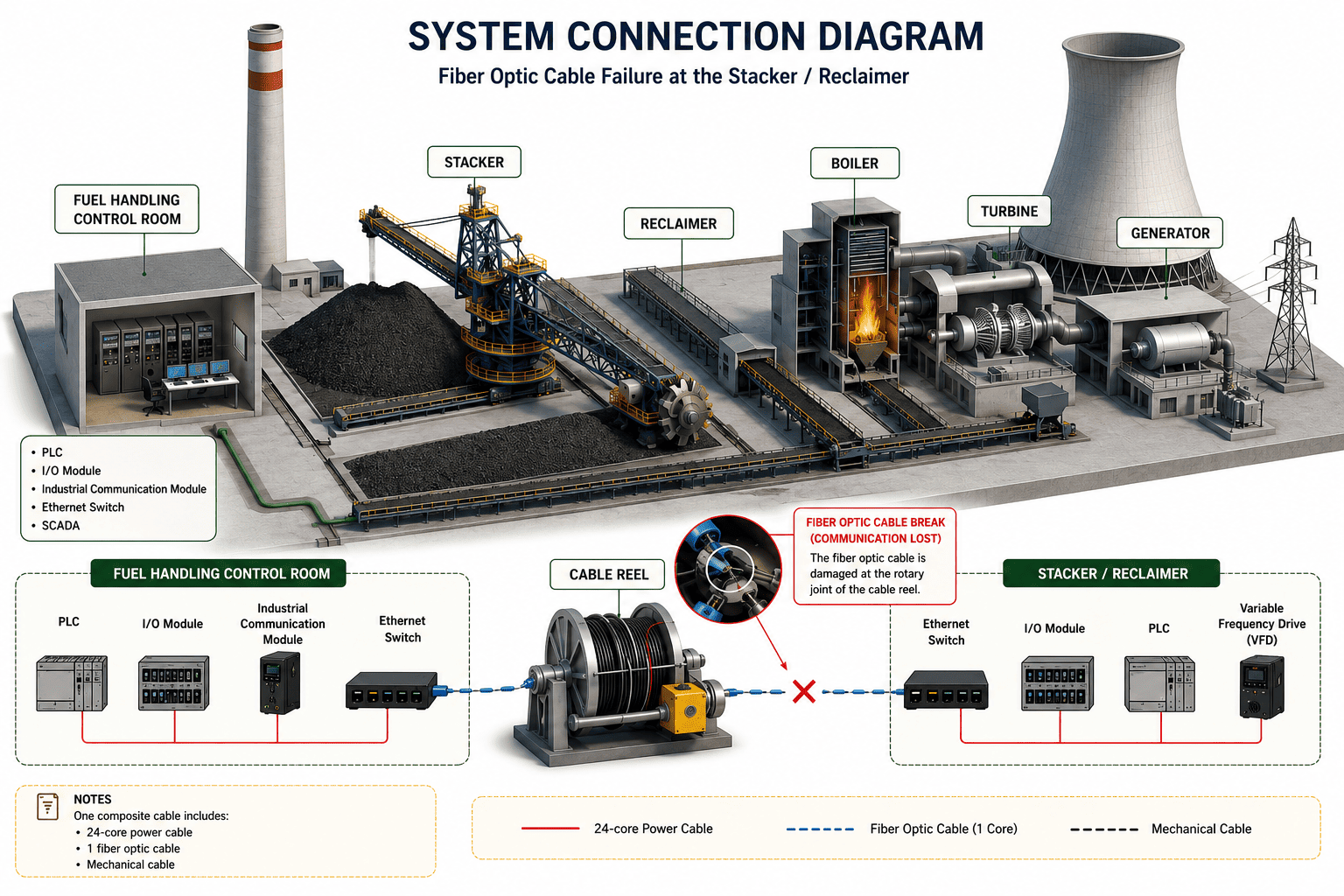
Moving equipment usually connects to the control cabinet through Ethernet cables installed on a cable reel.
As the machine moves, the cable is constantly rolled and unrolled. Over time, this creates several problems:
- Ethernet cables wear out due to continuous movement.
- Coal dust, vibration, heat, and outdoor weather reduce cable life.
- Troubleshooting and cable replacement take time.
- Communication failures can stop the PLC and interrupt production.
These issues increase maintenance costs and reduce system availability.
2. Why Choose Industrial Wireless?
Instead of using long Ethernet cables, many plants are replacing them with industrial wireless communication.
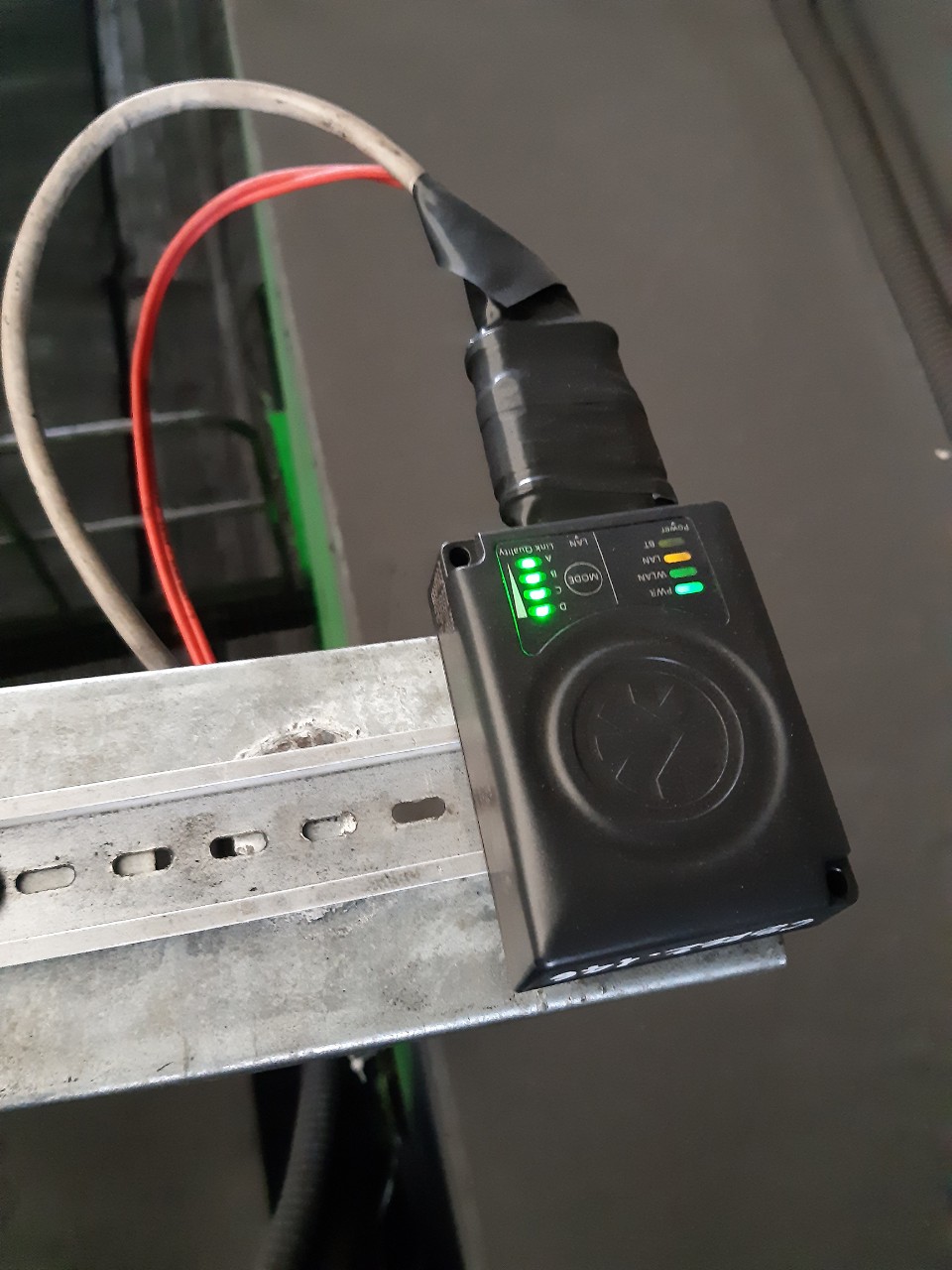
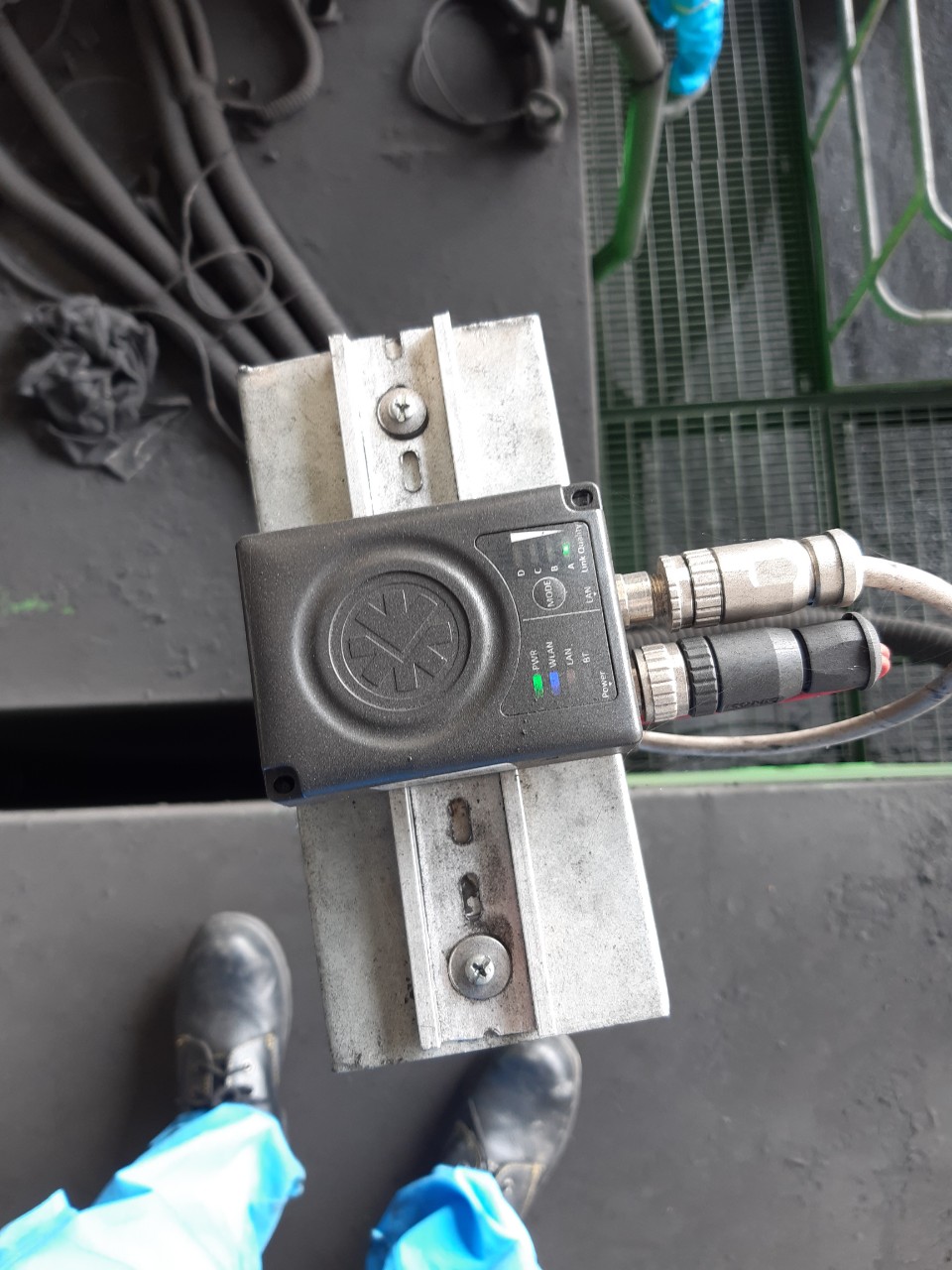
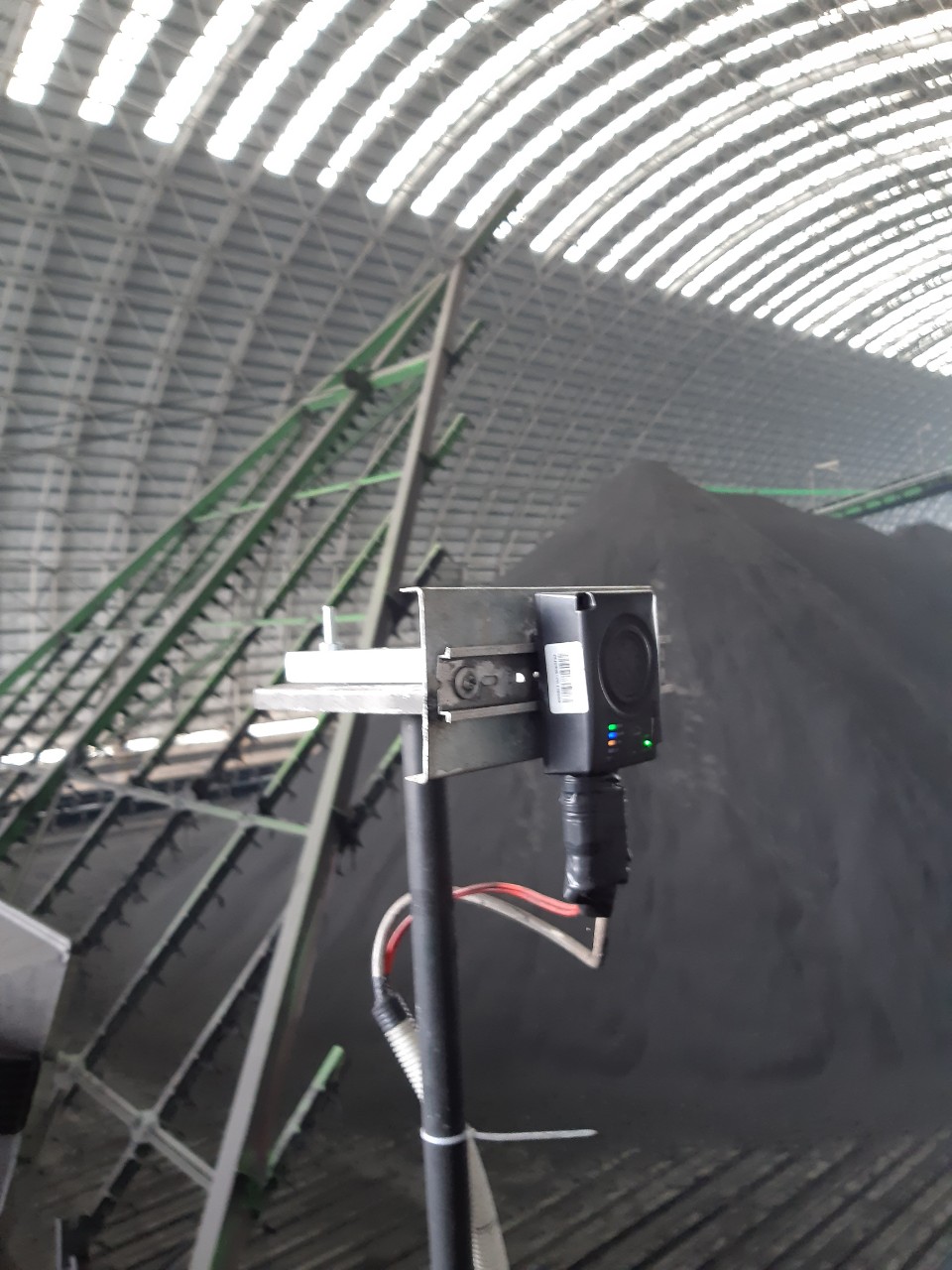
A wireless bridge creates a stable Ethernet link between the moving machine and the control cabinet without using physical cables.
For equipment such as stackers and reclaimers, this solution removes one of the most common causes of communication failure.
3. Benefits of Wireless PLC Connection
Using a wireless PLC connection offers several advantages:
- Eliminate cable damage caused by constant movement.
- Reduce unexpected machine downtime.
- Lower maintenance and cable replacement costs.
- Keep the existing PLC, HMI, and SCADA system unchanged.
- Provide reliable Ethernet communication for industrial automation.
The result is a more stable network with less maintenance.
4. When Is Wireless the Best Choice?
A wired Ethernet network is still the best option for fixed equipment in stable indoor environments.
However, industrial wireless is the better choice when:
- Equipment moves continuously.
- Cable installation is difficult or expensive.
- The environment has dust, vibration, or high temperatures.
- Reducing maintenance and downtime is a priority.
These situations are common in thermal power plants, mining sites, ports, and other heavy industries.
5. Conclusion
A wireless connection for thermal power plants is an effective way to improve communication reliability for moving equipment.
By using industrial wireless technology, plants can reduce cable failures, lower maintenance costs, and maintain a stable wireless PLC connection without changing the existing control system.

