

In the modern industrial landscape, factory digitalization is no longer a distant concept but a vital imperative for maintaining a competitive edge. Data from machinery is the key, but how can manufacturers effectively harvest it when legacy equipment operates in silos?
The following success story from a global energy corporation specializing in armored cables for the oil and gas industry clearly demonstrates the power of IIoT (Industrial Internet of Things). By deploying the Litmus Edge platform, they successfully solved the challenge to optimize manufacturing processes, reducing costs by 10% while achieving real-time quality control.
1. The Roadblocks Before Factory Digitalization
Prior to embarking on their digital transformation journey, this manufacturing facility faced severe data "blind spots" - a common scenario in traditional production environments:
-
Fragmented Equipment: The operational ecosystem consisted of over 20 different machine types (ranging from legacy PLCs to modern equipment), functioning completely independently with no connectivity.
-
Lack of Real-Time Data: Management had no visibility into the root causes of machine downtime, individual shift performance, or technical interventions made by operators at the exact time of an issue.
-
Inefficient Manual Management: Critical operational parameters, such as temperature and tension, were recorded manually on paper. This made it virtually impossible to track the correlation between machine settings and the quality of the final output.
-
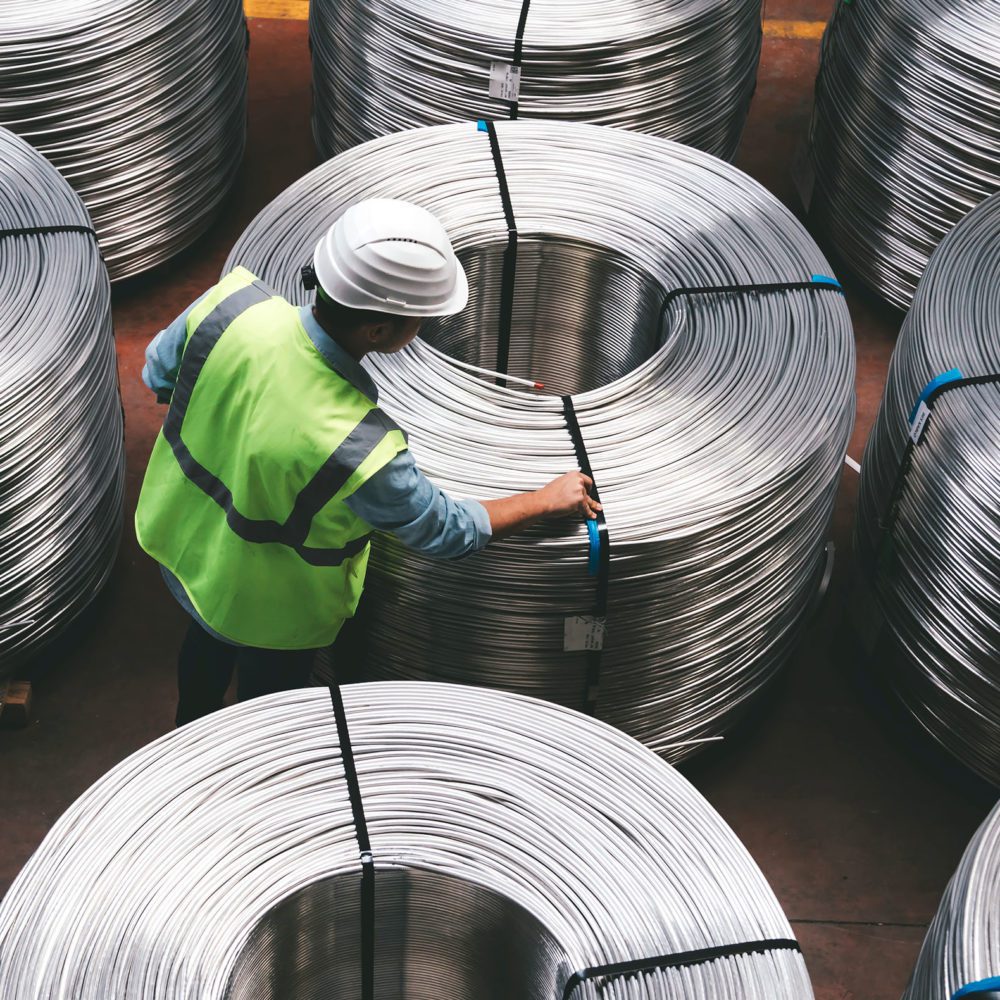
High Risk of Material Waste: A single production run could last anywhere from 8 to 12 hours. If a minor defect went undetected, an entire spool of expensive cable could end up as scrap.
2. The Litmus Edge IIoT Platform: A Comprehensive Solution to Optimize Manufacturing Processes
To break down these barriers, the facility selected Litmus Edge as their core platform to build a data-driven, closed-loop control system. This solution addressed the following key operational challenges:
2.1. Data Collection and Standardization Across All Sources
The first critical step in successful factory digitalization is data acquisition. The IIoT capabilities of Litmus Edge enabled seamless integration with all existing CNC machines and third-party laser measurement devices (micrometers). Data from both legacy and modern equipment was converged and standardized directly at the Edge, eliminating data silos.
2.2. Edge Processing and Cloud Synchronization
Once collected, data was transmitted to the Azure cloud for long-term storage and advanced analytics. Simultaneously, critical information was processed instantly on the factory floor. The engineering team was equipped with intuitive dashboards, allowing them to monitor vital variables like motor speed and temperature in real time.
2.3. Smart Automated Alert System
To continuously optimize manufacturing processes, the system automatically established safety thresholds for each parameter. If any metric exceeded these limits, an instant alert was routed to the maintenance team and operators. This rapid feedback loop allowed them to adjust machinery immediately, preventing defects before scrap was generated.
3. Breakthrough ROI from Factory Digitalization with IIoT
Transitioning from intuition-based management to data-driven operations yielded clear, measurable benefits:
-
10% Reduction in Manufacturing Costs: Achieved by minimizing the rate of defective goods and scrap during lengthy production runs.
-
Optimized First Pass Quality: Advanced analytics tools on Azure allowed the engineering team to accurately correlate initial machine settings with the final product quality, helping them establish the ideal operating conditions.
-
Comprehensive Real-Time Management: Executives and plant managers gained the ability to monitor the entire facility's operations from anywhere, on any smart device.
-
Enhanced Proactive Maintenance: Tracking Overall Equipment Effectiveness (OEE) metrics through the IIoT platform helped the maintenance team predict potential failures, ensuring continuous assembly line operation.
4. Conclusion
This real-world case study affirms a crucial point: factory digitalization does not mean ripping and replacing your entire existing production line. By adopting a smart IIoT platform like Litmus Edge, businesses can successfully repurpose legacy equipment, unlock trapped data streams, and make strategic decisions to continuously optimize manufacturing processes.
The first step to elevating your competitive capability in the Industry 4.0 era is taking control of your own data!
Let's start at here: https://litmus.io/get-started


